

Two forces set to test 'laughing gas' breathalyser
Officers from Hampshire & Isle of Wight Constabulary and Thames Valley Police are trialling what is believed to be the world’s first roadside breathalyser designed to detect recent nitrous oxide use by drivers.
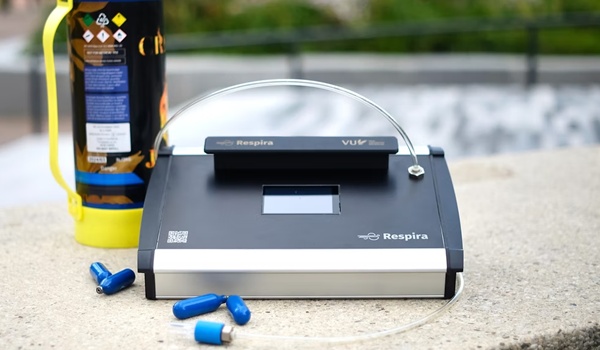
The pilot aims to address a significant gap in current drug-driving enforcement where police may suspect motorists are impaired by “laughing gas” but lack a reliable roadside method of proving recent use.
The portable device, developed by Respira Technologies following research in the Netherlands, can reportedly detect nitrous oxide use for up to two hours after inhalation. Tests will be conducted until June as part of a National Police Chiefs’ Council-backed innovation programme.
Acting Superintendent Emma Hart, from the Joint Operations Roads Policing Unit, said current enforcement options were limited. “Nitrous oxide is a growing issue, especially with young drivers who don’t understand the harm it can cause,” she said. “There is currently no device available that can prove a driver inhaled laughing gas, making prosecution difficult”.
Nitrous oxide became a Class C drug under the Misuse of Drugs Act in 2023, but concerns have continued to grow around its use due to an increase in fatal incidents. These include:
- Marcham, Oxfordshire (Dec 2024): A 19-year-old driver was jailed for over nine years for killing three teenagers (aged 17 and 18) while driving at 100 mph after inhaling nitrous oxide.
- South Yorkshire (April 2025): A 20-year-old driver killed an 81-year-old cyclist while high on nitrous oxide and driving at high speed in a hit-and-run.
- Edinburgh (April 2025): A driver who inhaled nitrous oxide was jailed for killing an 82-year-old woman.
- Greater Manchester (May 2025): A driver was jailed after hitting a pedestrian while using laughing gas balloons.
Unlike alcohol breathalyser, officers investigating suspected nitrous oxide impairment currently rely heavily on observations, witness accounts and circumstantial evidence. If the technology proves reliable, it could eventually provide forces with a new evidential tool for roadside drug-driving investigations.
However, questions are likely to remain around evidential standards, reliability thresholds and the relationship between recent use and actual impairment.
Civil liberties groups and legal experts have previously raised concerns around the rapid expansion of roadside detection technologies without corresponding public debate around safeguards and scientific standards.