

Reports of cloned vehicles reach record high, RAC says
The number of motorists contacting the Driver and Vehicle Licensing Agency (DVLA) over fines and penalties they believe were wrongly issued because of vehicle cloning has reached a record high, according to figures obtained by the RAC.
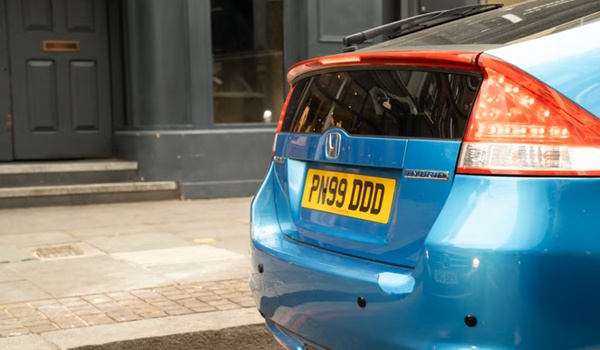
The DVLA received 11,402 contacts from drivers in 2025 who disputed penalties relating to vehicles they said they were not responsible for driving, a 9 per cent increase on 10,460 in 2024 and 93 per cent higher than the 5,912 recorded in 2018.
Vehicle cloning involves criminals using a registration plate belonging to another, usually similar, vehicle to evade detection by enforcement cameras. The innocent vehicle’s registered keeper may then receive fines for offences they did not commit.
The RAC obtained the figures through a Freedom of Information request, but cautioned that they also include cases of potential misidentification of registration numbers by automatic number plate recognition (ANPR) cameras. Vehicle cloning is therefore only one possible explanation for the contacts recorded.
The motoring organisation warned that the problem was being compounded by so-called ghost plates, designed to be difficult or impossible for ANPR cameras to read.
The UK has around 18,000 ANPR cameras, which capture approximately 90 million vehicle reads each day. The technology supports enforcement of offences including speeding, running red lights and using bus lanes, as well as charges for clean air zones and congestion schemes.
The RAC is calling for tighter regulation of number plate suppliers and higher security standards to make it harder for criminals to obtain fraudulent plates.
Simon Williams, the RAC’s head of policy, said the rise in reported cases left innocent motorists facing the burden of proving they were not responsible for offences recorded against their vehicles.
He said more police officers should have access to handheld devices capable of detecting unreadable plates, alongside improvements to ANPR cameras and stronger controls on plate production.
The RAC also cited a report by the All-Party Parliamentary Group for Transport Safety which suggested as many as one in 15 vehicles may have modified or non-compliant number plates, including plates designed to evade camera detection.