

PSNI marks 25 years amid warnings over legacy costs and funding
The Police Service of Northern Ireland (PSNI) is marking its 25th anniversary amid warnings that the cost of Troubles-related civil claims is placing increasing pressure on its ability to deliver frontline policing.
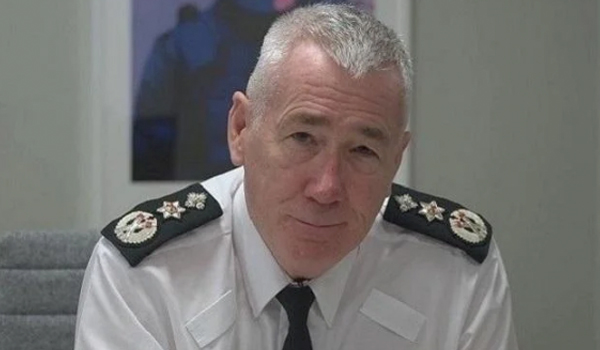
Chief Constable Jon Boutcher said legacy cases were having a “huge detrimental impact” on the service, as he called for a funding arrangement to prevent historic claims from further draining its operational budget.
Speaking at an event at Queen’s University Belfast ahead of the anniversary, Mr Boutcher said the PSNI had paid £7.7 million in compensation settlements relating to legacy claims between July 2021 and July 2026, alongside £14.6 million in associated legal costs.
He said the service’s budget remained around £1 billion, despite rising demands and costs, and warned that legacy liabilities could not continue to be funded from money intended for contemporary policing.
The anniversary marks the creation of the PSNI in November 2001, following the recommendations of the Independent Commission on Policing for Northern Ireland, chaired by Chris Patten. The reforms were intended to establish a police service capable of attracting support across Northern Ireland’s communities following the Good Friday Agreement.
The service has since operated under a framework shaped by accountability, human rights and policing by consent, although questions remain about representation, public confidence and the resources available to meet current demands.
A House of Commons Northern Ireland Affairs Committee report published in May identified funding, staffing and security as continuing challenges. It also highlighted the burden of legacy work, including disclosure obligations and civil litigation, on the force’s resources.
Mr Boutcher said the service needed a plan that recognised the continuing impact of the past while protecting its ability to police Northern Ireland today.
A two-day conference in Belfast, Foundations and Future: Policing 2026 and Beyond, is bringing together policing leaders, oversight bodies and academics to consider the service’s progress and the challenges ahead.
The anniversary offers an opportunity to assess not only how policing has changed over the past quarter-century, but whether the service has the funding and capacity to meet the demands it faces now.