

Police leaders join call for alcohol interlocks for repeat drink-drivers
Police and crime commissioners and police leaders have joined road safety organisations in calling on the Government to introduce alcohol interlocks for high-risk and repeat drink-driving offenders.
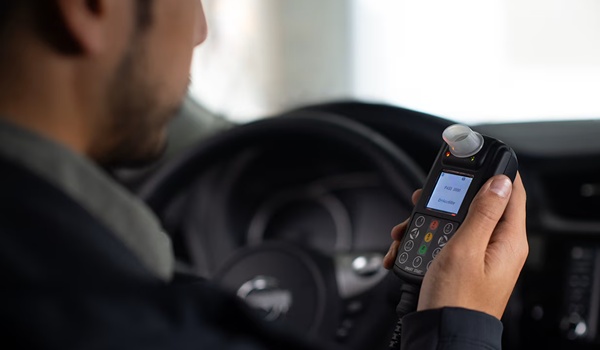
In an open letter to the Prime Minister, a coalition including the Association of Police and Crime Commissioners and National Police Chiefs’ Council Roads Policing is urging the Government to commit to an alcohol interlock programme.
Alcohol interlocks, also known as alcolocks, are breathalysers connected to a vehicle’s ignition. If alcohol is detected above a set limit, the vehicle will not start. The technology is already used in other countries to tackle repeat drink-driving and can be fitted to almost any vehicle.
The coalition is calling on the Government to set out a clear route towards introducing the technology when it responds to its consultation on motoring offences.
The intervention comes after the Government passed its own three-month timetable for publishing a summary of consultation responses and setting out its next steps.
The Department for Transport estimates that 220 people were killed and more than 1,500 seriously injured in drink-drive collisions in Great Britain in 2024. International evidence suggests alcohol interlocks can reduce reoffending by up to 70 per cent, according to the coalition.
The letter argues that courts are currently unable to require convicted drink-drivers to use an alcohol interlock as a condition of returning to the road. Signatories are calling for courts to be given those powers, supported by monitoring and appropriate rehabilitation.
RAC head of policy Simon Williams said drink-driving remained “one of the most preventable causes of death and serious injury on our roads. Alcolocks physically stop someone from driving after drinking, and there is strong public support for repeat or high-risk offenders having to have them fitted to their vehicles before being allowed to drive again.”
“The Government said it would set out its next steps within three months of the Road Safety Strategy consultation closing. That deadline has now passed, and every further delay means more preventable harm on our roads.”
The RAC said polling had found that 82 per cent of UK drivers supported the introduction of alcohol interlocks for repeat and high-risk offenders.
Other organisations supporting the call include Road Safety Great Britain, Brake, the Parliamentary Advisory Council for Transport Safety, the Road Safety Foundation and the Royal Society for the Prevention of Accidents.