

PFNI on station `suicide`: Stop sick officers` suffering and find a `better place in their lives`
An “immense tragedy” has crystalised immediate demands for a service-wide `cultural shift` in tackling psychological illnesses as an officer who shot himself with a colleague`s weapon at work is laid to rest today.
Apr 22, 2016
By Nick Hudson
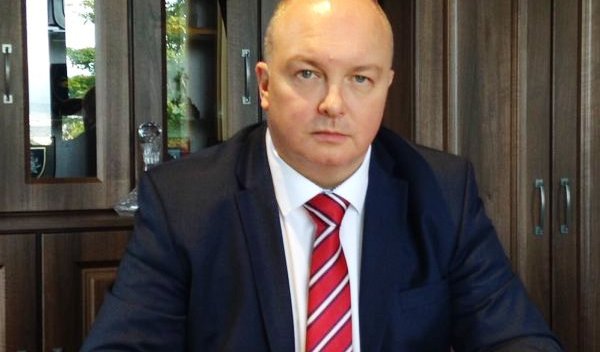
An “immense tragedy” has crystalised immediate demands for a service-wide `cultural shift` in tackling psychological illnesses as an officer who shot himself with a colleague`s weapon at work is laid to rest today.
The funeral of Police Service of North Ireland (PSNI) Inspector Peter Magowan on Friday (April 22) is being seen as a pivotal moment to guide officers “suffering silently” from stress-related illness to a “better place in their lives and workplaces”.
As colleagues “share the pain” of the untimely death of the 55-year-old County Antrim officer, the Police Federation for Northern Ireland (PFNI) has called for the creation of a meaningful programme with a “supportive, caring and understanding environment”.
The PFNI called for the “attachment of stigma” and other barriers to be swept away in order to help those affected by the “intolerable pressures” of the job. Father-of-two Insp Magowan, who reportedly took his own life in the toilets at Ballymoney police station, had only just returned to work after period off work on sick leave.
His death brings together a welter of damning evidence which reveals the unprecedented stress coupled with shrinking staff levels which are driving police officers from taking time off work on sick leave to the brink of suicide.
The province`s police officers have the added issues of having to be on high alert ever conscious to a terrorist threat from dissident republicans.
Recent publication of figures for long-term sick leave in Northern Ireland also show a 12 per cent increase of officers on the list up from 1,292 in 2013/14 to 1,453 in 2014/15.
Mark Lindsay, chairman of the PFNI, exclusively told Police Professional of how the Ballymoney`s inspectors death had impacted on the service.
He said: The loss of a colleague in Ballymoney is an immense tragedy. His family are grieving and we share their pain.
“Peter Magowan was a valued colleague who demonstrated exemplary commitment in his role as a police officer. Our thoughts are with his family at this time.
Psychological illnesses arent something new and only a few weeks ago, we called for greater resources to be devoted to tackling what is a growing challenge to the service.
The creation of a supportive, caring and understanding environment, where officers can freely avail of professional help, would be a first positive step.
The attachment of any stigma a barrier that stands in the way of officers seeking the help they need has to be swept away. Organisational culture has to change for people to readily seek and receive help.
Psychological illnesses are wide-ranging with one thing in common; they are exacerbated by the sometimes intolerable pressures of a demanding and heavily scrutinised job.
“Fewer officers add to the workload as they plug gaps in a service that is being forced to do more with much less.
It is essential to construct an effective referral process which has welfare, wellbeing and education at its core.
The identification of symptoms at an early stage will lead to corrective therapies being put in place a lot sooner.
The goal is to value our people and make them feel supported in work, improve their work-life-balance and make officers and the service generally more aware of the preventative effective measures that can be taken.
For too long, psychological illnesses have not been given the priority they deserve.
“There has to be a cultural shift in approach to helping people who are suffering silently from