

Officer left feeling suicidal after giving birth calls for support
A Hampshire Police Constable who was left suicidal after a traumatic birth has called for more support for new parents struggling with mental health.
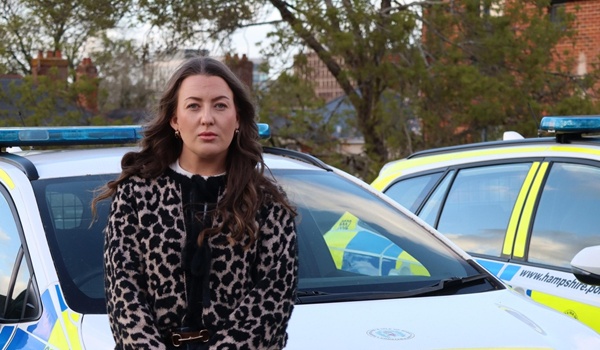
PC Ruth Kerr is still affected by the traumatic events surrounding the birth of her son in 2021. She received treatment for postnatal depression before returning to the front line after nine months, but her symptoms continued to affect her.
After giving birth to her daughter in 2023, she again experienced severe postnatal depression.
Ruth said: “I was really struggling by that point. I was cared for by a psychiatrist, psychologist, mental health nurse and nursery nurse, and they genuinely saved my life. I am forever indebted to them for what they did. They made sure my children still had a mum.
“After my maternity leave, I had six months off sick because I was so mentally unwell. I was very lucky that my line manager was very supportive. He came to visit me, checked in on me, and made sure I was in contact with the wellbeing team and HR.”
But Ruth knows not all officers get such support.
She was later diagnosed with complex PTSD and received further treatment, but her partner also struggled, developing postnatal depression after each birth.
According to the NHS, one in five women and one in ten men experience postnatal depression. Suicide is the leading cause of death in women in the year after pregnancy.
Research released by Swansea University last year found that two to three babies lose their fathers to suicide every week across the UK.
After returning to work for a second time, Ruth became determined to ensure other officers get the help they need. She wants better support for male colleagues and for focussed risk assessments for new parents returning to work in a job where they are regularly exposed to trauma.
She has supported other officers with their own struggles and has spoken at the American Embassy in London about the unique risks faced by emergency worker parents.
Ruth said new fathers returning to work after just two weeks’ paternity leave need more support, with previous trauma, sleep deprivation and mental health all taken into account.
“I still have PTSD as a result of my child’s birth. It is never going to go away, but I now have the mechanisms to deal with it. I am part of the one-in-five statistic, not once but twice, and I am a survivor. I clawed myself out of the pits of hell of PTSD and depression, with the perinatal mental health team as my crutch and the additional support of my family.
“I was suicidal for a very long period of time and was surviving day by day. But I have gone from never thinking I would survive what I did, and needing something as basic as a toothbrush physically placed into my mouth while still caring for a baby, to speaking at the American Embassy in London about my story and journey. But I am happy to be here today and supporting other colleagues as they go through what can be the toughest time of their lives.”
Ruth also intends to establish a support group that enables officers and staff to connect with others who have shared similar experiences, and to access support and guidance in a safe and supportive environment.
Support can be found here and here.
As part of the Federation’s STEP Campaign, officers and staff in a growing number of forces – including Hampshire – can access the Stay Alive app developed by the Grassroots Suicide Prevention Charity. It’s packed full of useful information and tools to help you stay safe in crisis.
If police officers and staff are struggling they can also contact the Mental Health Crisis Line (call 0300 131 2789) and Samaritans (116 123).