

‘Nothing significant’ behind six chief officers retiring
Policing’s workforce lead has reassured the service that there are no major changes behind six chief constables announcing their retirement in less than a month.
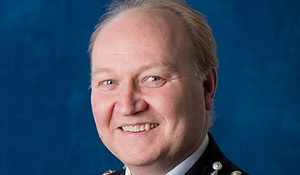
Chief Constable Giles York believes the decisions of the six chief officers who revealed their plans to retire between April and May were largely based on contract expirations rather than any other factors.
Mr York, workforce lead for the National Police Chiefs’ Council, claimed many will have come to the end of their five-year terms in office and decided the time was right for them to leave.
However, he recognised that tax law reforms in recent years may be a factor discouraging some senior officers from staying on.
“I don’t know how many of these people were appointed on five-year contracts five years ago, and what we’ve had is it’s come up to their contract renewal time, they’ve had a reflective period and said ‘I think I’ve done my time, I’m off now’,” he told Police Professional.
“I’m not aware of any factors in policing that are suddenly causing chiefs to leave. There is nothing significant changing to my knowledge.”
Five chief constables have announced their plans to retire since Simon Edens, chief constable of Northamptonshire Police, revealed his intention to step down on April 12.
Mr Edens was soon followed by Dave Jones, chief constable of North Yorkshire Police, Stephen Kavanagh from Essex Police, and Assistant Commissioner Pat Gallan from the Metropolitan Police Service, whose rank is equivalent to chief constable.
Chief Constable Mark Polin, of North Wales Police, and Alec Wood from Cambridgeshire Constabulary, also announced their retirement within 24 hours of each other in early May.
Many chief constables’ contracts will expire this year as 2018 marks five years – the longest contract available – since the introduction of police and crime commissioners (PCCs), who are responsible for recruiting them.
Before the PCC role was created, police authorities were prohibited from appointing new chief constables for the last 18 months to two years of their standing.
This decision led to around 20 forces appointing temporary chief constables, who were either replaced or offered substantive positions in 2013.
However, Mr York speculated that recent tax law changes could be influencing whether chief officers are willing to stay on as head of their force.
In April 2014, the Lifetime Allowance was reduced from £1.5 million to £1.25 million and the limit of tax efficient pension savings that could be made in one year reduced from £50,000 to £40,000.
These changes affected officers with many years of service, landing them with significantly higher tax bills.
Taking a pay rise under the new rules with a final salary pension can result in in-year tax bills of around £100,000.
However, Mr York recognised that changes to laws around retiring under investigation meant the impact of chief officers losing their pension in the event of a major disaster on their watch is “marginal”.
Mr York said: “There are fabulous giants in the policing world and there is always a healthy level of turn.
“There is a huge capability of people ready to come through, take their place and assume the mantle to build on what they’ve left behind.”
He added that the retiring chief constables have been “massive national players, who leave behind them really positive legacies”.