

MPS turns to explanatory video as police adapt to social media scrutiny
A new Metropolitan Police Service social media video highlights how forces are increasingly using digital communication to shape public understanding of policing and counter misinformation online.
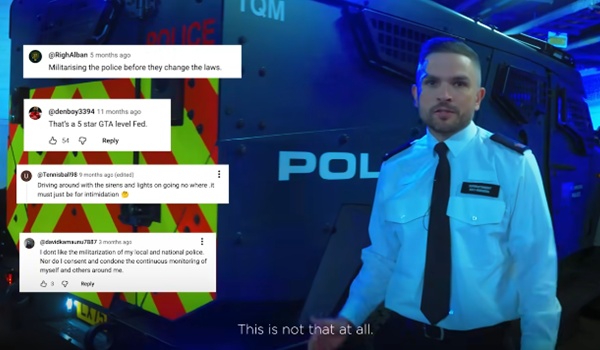
Published on LinkedIn, the video offers a behind-the-scenes explanation of the role of the MPS’s SandCat vehicles, with Supt Jack May-Robinson talking viewers through their operational use and addressing questions that have circulated online about why they are deployed.
SandCats, manufactured by Israeli firm Plasan, are armoured 4×4 carriers used by the Met’s firearms and specialist operations units. Designed to offer protection in high-risk incidents, including firearms operations and counter-terrorism deployments, they have become increasingly visible on the streets of the capital during the past year as a result of driver training sessions.
Their appearance on public roads has also prompted debate online, with some social media users questioning their purpose, cost and whether their use signals a more militarised approach to policing. The new video appears intended in part to address those concerns by explaining the vehicles’ operational role directly to the public.
The video also explains that the 18 SandCats purchased by the Met were a direct replacement for its fleet of 14 Jankel Guardians. These had been in service since 2004 and had therefore exceeded their 12 to 15-year anticipated service life.
While framed as an informational video, its publication is also the latest example of forces using their own digital channels to communicate directly with the public around potentially contentious or widely discussed areas of policing activity.
The video comes shortly after the Met announced it would release more body-worn video footage in cases where doing so could improve transparency, build trust and provide context around incidents attracting significant public attention online.
Speaking at the time, Commissioner Sir Mark Rowley said the force was increasingly having to respond to misleading narratives and selectively edited clips circulating on social media, and that earlier publication of footage could help the public better understand the circumstances surrounding police encounters.
Against that backdrop, the SandCat video suggests forces may be taking a more proactive approach to digital communications — publishing explanatory content before narratives become fixed online rather than responding once criticism or misinformation has already spread.