

IOPC to drop case against Kaba shooting officer
The Metropolitan Police Service firearms officer who shot Chris Kaba may no longer face gross misconduct proceedings, after the Independent Office for Police Conduct (IOPC) indicated it now believes the disciplinary case against him should not go ahead following a change in the legal test used to judge officers’ use of force.
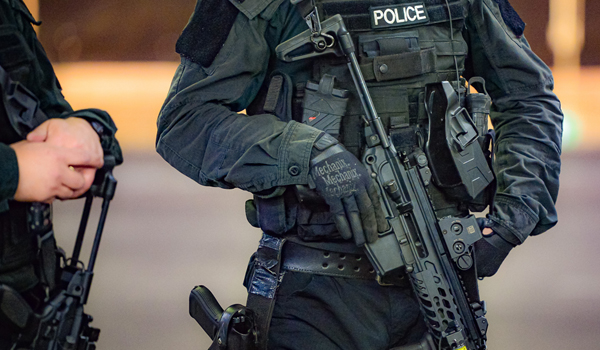
Sgt Martyn Blake shot 24-year-old Kaba in Streatham, south London, in September 2022 after Kaba tried to ram his way past police cars that had boxed his Audi in. Blake was acquitted of murder at the Old Bailey in 2024 but remained subject to a separate gross misconduct hearing, which the IOPC paused pending legal changes announced by then home secretary Yvette Cooper in the wake of the acquittal.
Those changes, which took effect on 30 June, raised the legal test for misconduct in use-of-force cases to the criminal standard, meaning conduct that would not amount to a crime should not amount to misconduct either. Announcing its position on Wednesday, the IOPC said it now believes Blake’s case should not proceed under the new test, though it will consult Kaba’s family, who argue exceptional circumstances mean it should still go ahead.
IOPC director of strategy and policy Andrew Johnson said: “We carefully considered the law change and its stated intent to address the perceived unfairness and lack of proportionality of the civil law test. We believe this position provides consistency across impacted cases and is fair to officers who are facing potential dismissal for misconduct, which if it occurred now, would not amount to misconduct under the new law.
The IOPC expects the change to affect a relatively small number of cases, though the inspectorate noted dozens of other non-fatal use-of-force cases could also be affected if forces and the IOPC take a consistent approach across the board.
MPS deputy commissioner Matt Jukes, referring to Blake by his legal cypher NX121, said: “We have consistently said since the criminal trial that there is no basis for further action against this officer and that remains our position.
“I know this change will also provide reassurance to firearms officers across London and the wider country, who carry immense responsibility on behalf of the public and need confidence that decisions made in good faith, in fast-moving and dangerous situations, will be judged fairly.
“At the same time, this case has exposed that the current system is too slow. A split-second decision, taken in circumstances which presented an immediate threat, has been followed by years of investigations and legal proceedings. That has had a profound impact on everyone involved and demonstrates the need that both policing and the IOPC recognise for a swifter system that maintains both public confidence and rigorous accountability.
“That is why I welcome the recent changes to the law, introducing a presumption of anonymity for firearms officers during court proceedings until conviction and restoring the criminal test for the use of force in misconduct cases. These reforms create a fairer and more balanced system, ensuring officers are not held to different evidential thresholds for the same incident across separate proceedings.”
Kaba’s family said the decision would have a damaging impact on bereaved families in other use-of-force cases, arguing “it gives every appearance that the IOPC has a closed mind on this case.” Temi Mwale and Kayza Rose of the Justice for Chris Kaba Campaign said they were “appalled” by the decision, arguing the only just approach would have been to conclude existing cases under the rules in place when proceedings began rather than changing them mid-process. They described the move as “moving backwards on police accountability” and a blow to public confidence in the system.