Balancing act
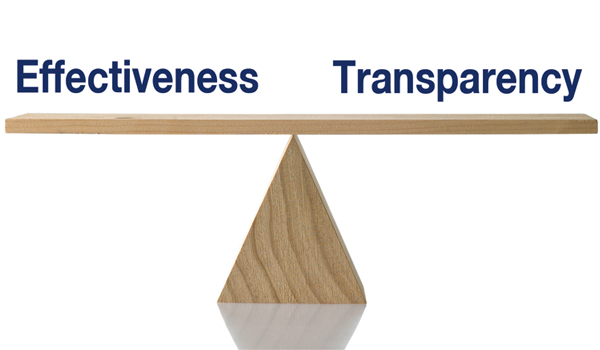
Ben Durrant looks at how to balance operational effectiveness with transparency within police forces.
UK police forces are working in a challenging environment. Communities want to understand how new tools affect their privacy, and technology is advancing rapidly. At the same time, forces need to protect their investigative methods to keep the public safe. The challenge is finding a practical balance that allows officers to do their work effectively while building the community’s trust.
Balancing transparency and confidentiality
One of the hardest questions agencies face is how much information they can safely share. Many investigative techniques must remain confidential because revealing them could compromise ongoing cases or give offenders an advantage.
Public communication becomes difficult within this environment. Residents want to understand how technology shapes policing in their community and that it’s being used responsibly. Police often rely on general terms such as “investigative techniques” to signal that certain details cannot be made public.
The challenge is explaining the purpose and value of these tools. Outlining categories of technology and stating their broad purpose can help the public understand without creating risks.
Shifts in public perception
Public expectations have changed significantly in recent years, placing greater pressure on forces to be transparent.
High-profile incidents have led to increased scrutiny of policing practices. This creates waves in which law enforcement enjoys periods of strong public support followed by periods of intense distrust. In recent years, scrutiny toward surveillance tools such as license plate recognition systems has grown, with concerns about tracking, overreach, and data privacy now making headlines and fuelling community discussions.
How a tool is presented to the public matters a lot. The same technology can inspire confidence or concern depending on the context. For example, facial recognition that helps locate escapees or dangerous offenders is often well-received. But when people feel their everyday movements are being tracked without reason, trust erodes. Transparency works best when it focuses on purpose, explaining how a tool is used through real-world examples that show direct community benefit.
The role of police culture
Local politics and police culture also shape how transparency is approached.
Some police forces openly communicate their tools, publish detailed policies online, and maintain strict oversight. Others take a more closed approach and rely on internal controls. Even something as simple as body-worn cameras can vary widely – some police departments embrace them, while others still do not. Local leadership, resource availability, and community expectations all influence policy decisions.
Policies and safeguards for accountability
Clear internal policies form one of the strongest foundations for building transparency.
Several agencies have developed or improved their policies in recent years to prevent misuse of data and ensure accountability. A common safeguard is requiring a case number, report number, or call-for-service number before an officer can access specific systems. This links every search to a legitimate incident, making it easier to catch improper use. If someone attempts to misuse a system, the absence of a legitimate case number immediately raises a red flag. Strong audit trails, mandatory fields, and access logs help strengthen accountability and reduce opportunities for improper use.
Data storage and security also play a key role in building public confidence. Our police forces handle large amounts of sensitive information. Many now use cloud environments designed for government data or maintain hybrid systems that combine on-premises controls with cloud infrastructure. Messaging around cybersecurity can support transparency efforts. When the police explain how they secure data and why those safeguards matter, it helps the public understand how their information is protected and reinforces trust.
Demonstrating public impact
Transparency works best when the public sees real outcomes. Agencies must show that tools serve a clear public purpose and that proper safeguards are in place.
When police explain why certain technologies are being deployed, how they support public safety, and how data is controlled, they create a path for community understanding. Evidence of impact helps strengthen that message. Public dashboards or transparency portals can highlight metrics like cases solved, stolen vehicles recovered, or missing persons located, focusing on results rather than sensitive details.
Community engagement and education
Community engagement is another essential component of transparency and trust. To make it effective, today’s police forces should focus on:
- Explaining technology in plain language: Many people don’t fully understand what certain technologies, such as license plate recognition cameras, do. These devices are often confused with speed enforcement systems or red-light cameras, with some believing they capture driver identities when in reality they capture license plates in public spaces. When the police explain capabilities in simple terms, misconceptions decrease. Simple explanations, FAQs, public meetings, and educational sessions can clear up misconceptions and reduce concerns.
- Addressing technology placement and fairness directly: Some tools are deployed in higher-crime neighbourhoods, which can overlap with communities that have historically felt over-policed. Forces can mitigate concerns by showing that deployment is based on crime data rather than demographics. This approach helps explain that the technology is used in response to specific public safety needs.
- Showing how community input influences decisions: Residents may not have the ability to vote on every new tool, but they appreciate being informed early and understanding why decisions are made. When people feel their voice matters, even indirectly, they are more likely to acknowledge the reasoning behind deployments.
- Maintaining ongoing communication: Public education must remain a continuous effort. Cameras, analytics tools, and sensors evolve rapidly. What residents believe about a system can lag far behind reality. Sharing consistent updates about new tools and policies reduces confusion. It also prevents a gap where misinformation grows.
Preparing for the future
The balance between operational effectiveness and transparency is an ongoing challenge. Police forces must protect investigative methods, adapt to evolving technology, and meet public expectations.
The most effective path forward combines clear policies, consistent communication, responsible data governance and authentic engagement. When transparency efforts focus on intent, safeguards and real-world results, the police can strengthen public trust while maintaining the operational capabilities needed to keep communities safe.
Ben Durrant is Account Executive at Genetec