

TVP assigning rape cases to unqualified investigators, inspection finds
The lack of a dedicated rape investigation unit means that Thames Valley Police often hands such investigations to officers who are not qualified to the correct level and lack sufficient experience, an inspection has found.
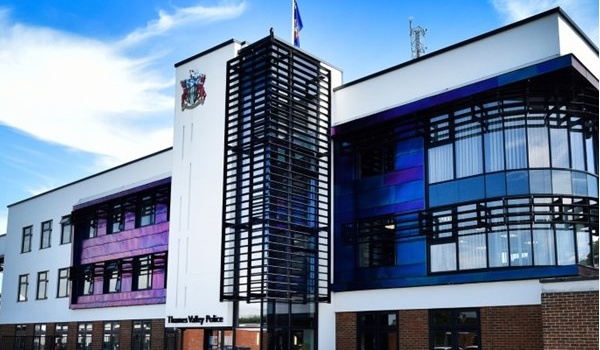
The finding sits within a wider verdict from His Majesty’s Inspectorate of Constabulary and Fire & Rescue Services (HMICFRS), which told the force it must urgently improve how it investigates crime and safeguards vulnerable people.
While the force has a central rape and serious sexual offences (RASO) team, inspectors found its role is advisory and supportive, offering early guidance on arrest, advice on complex cases and regular clinics, rather than taking on primary investigation of most cases.
The report states: “In some areas, the force has reported that units can have high levels of investigators who aren’t fully qualified. The force doesn’t have a dedicated rape investigation unit. So often, officers assigned to rape and serious sexual offences cases aren’t qualified, and, as these cases are complex, may not have enough experience.
“We found many examples of officers struggling to manage the complexity of their investigative workloads.”
HMICFRS further found 80.1 per cent of PIP2 investigator posts were filled, but many post-holders were not fully accredited, with some yet to complete initial training or pass the National Investigators’ Examination.
In a force workforce survey, 31.3 per cent of respondents said they had been allocated investigations outside their level of training at least quarterly. Supervisory review of investigations was found effective in only 53 of 71 cases examined, and the force had not progressed some rape, serious sexual offences and domestic abuse cases with outstanding suspects that were more than three months old.
The force was also found to have been under-assessing high-risk domestic abuse cases, meaning some victims are denied both a qualified detective and referral to Multi-Agency Risk Assessment Conference (MARAC) support. Operation Encompass, which notifies schools when a pupil has witnessed domestic abuse so support can be put in place, was compliant in only 67.2 per cent of cases as of September 2025 — a gap the force has placed on its own strategic risk register.
Inspectors estimated Thames Valley recorded 33,013 use-of-force incidents in the year to March 2025, as many as 23,144 fewer than the 56,157 they calculate should have been logged based on arrest data. The force has no supervisory sign-off requirement for use-of-force recording and, unlike its process for stop and search, carries out no dip-sampling of body-worn video to check officers are using force lawfully and proportionately.
Overall, HMICFRS graded the force good in two of eight assessed areas, adequate in three, and requiring improvement in three — investigating crime, safeguarding children and adults at risk of harm, and leadership and force management.
His Majesty’s Inspector of Constabulary Roy Wilsher said: “I am satisfied with some aspects of the performance of Thames Valley Police in keeping people safe and reducing crime. However, I have concerns about how it is investigating crime and supporting vulnerable people. For example, the force should improve its safeguarding processes and its ability to progress crime investigations to make sure victims get the service they deserve.
The force was rated good for attracting, developing and retaining its workforce, and for preventing and deterring crime, with inspectors highlighting its rural crime taskforce, its Operation Vedette response to non-contact sexual offences, and neighbourhood policing apps recognised as national good practice by the National Police Chiefs’ Council. Emergency call handling was also praised, with 93.9 per cent of 999 calls answered within 10 seconds against a 90 per cent standard.
Wilsher said he remained “optimistic” the force would build on improvements identified during the inspection, adding: “There are still areas in which Thames Valley Police must do better, and we will continue to monitor its progress.”
Thames Valley Police issued its own statement alongside the report’s publication, welcoming the improved gradings for workforce and crime prevention and pointing to a set of separately reported year-on-year figures: a 2 per cent fall in overall crime, including double-digit reductions in knife crime, theft from the person and rural crime, alongside a 4 per cent rise in 999 call volume that the force says it handled with improved answering and attendance times.
On the areas requiring improvement, Deputy Chief Constable Ben Snuggs said the force was “focused on strengthening the quality and consistency of our investigations,” alongside work on safeguarding vulnerable people and service delivery. He said the force was “already taking action to develop our investigative capability, invest in our people and ensure we are making the most effective use of our resources to meet demand.” The force’s statement did not directly address the report’s finding on rape and serious sexual offences allocation.