"We must protect the vulnerable from the hostile"
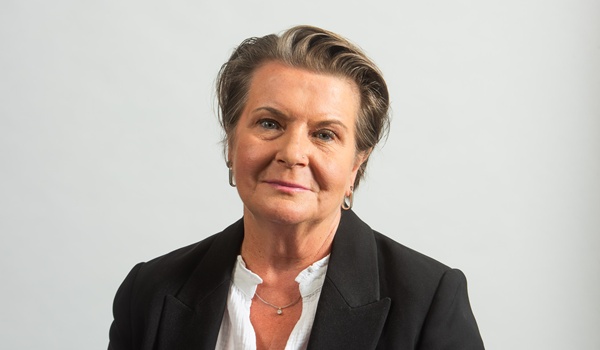
Drawing on decades of experience in safeguarding and victim advocacy, HMI Kathryn Stone OBE argues that independent scrutiny is essential to protecting children. She explains how inspections help forces improve partnership working, identify risks and ensure the “voice of the child” is properly heard.
Every child deserves to grow up safe, supported and free from harm. For most children, this is their reality, and they are nurtured in loving families and reach adulthood without serious harm. For others, childhood is marked by exploitation, abuse or neglect. These are the children who are sexually exploited, who go missing from home, or live in families where they face daily risks to their safety and wellbeing.
As a former child protection social worker, I’ve seen firsthand that when these things happen the consequences for children and those around them can be devastating and lifelong. That’s why public services, including the police, have a shared responsibility to identify warning signs and act decisively to protect children at risk. Getting this right needs more than just good intentions or hard-working staff. It requires effective systems, consistent training and strong partnerships between agencies.
At His Majesty’s Inspectorate of Constabulary and Fire & Rescue Services (HMICFRS), we run a rolling child protection inspection programme covering every police force in England and Wales. These inspections focus on the experiences of children who come into contact with the police when there are concerns about their safety. We examine cases, review files, speak to officers and staff and engage with safeguarding partners to understand what happens in practice.
For each force, we make five key judgments: whether the force has effective leadership of child protection arrangements; how well it works with safeguarding partners; whether it responds appropriately to protect children at risk; how effectively it assesses risk and makes referrals; and whether it properly investigates reports of sudden death, abuse, neglect and exploitation of children.
This methodology builds on lessons learned from over a decade of child protection inspections. We know what good looks like, and we know the warning signs when things aren’t working as they should.
Our inspections are designed to support sustainable improvements in how police forces safeguard children. When we identify causes of concern, forces must provide action plans within 28 days, setting out how they will address the issues we’ve raised. We then follow up to make sure the necessary changes are happening to support vulnerable children.
In several recent inspections we have found the “voice of the child” needs to be better understood and recorded. This includes recording the child’s behaviour and demeanour, so forces and safeguarding partners have a clearer understanding of any risks or vulnerabilities.
We also highlight promising practice, sharing examples of what works well so forces can learn from each other. For example, in several forces engagement with partners and multi-agency working is positive and effective.
Our inspections hold police forces to account and provide transparency for the public. Keeping children safe is everyone’s business and the public has a right to know whether their local police force is doing everything it should to protect the most vulnerable.
I’ve dedicated my career to advocating for victims, from working as a social worker to leading a national charity which supports victims with learning disabilities, being the Commissioner for Victims and Survivors for Northern Ireland and now as a HM Inspector of Constabulary. When I’m asked why I do this work, the answer for me is simple: we must protect the vulnerable from the hostile.
The work of the police is such an important part of the ecosystem of keeping children safe and every improvement made means better protection for children at risk. That’s why independent police inspection is vital for child protection.
Kathryn Stone was appointed as His Majesty’s Inspector (HMI) at HMICFRS in March 2025. She joined the organisation following her roles as Chair of the Bar Standards Board and as a non-executive member of the Board of the Crown Prosecution Service.