

MPS launches specialist protection unit amid sustained rise in antisemitic incidents
The Metropolitan Police Service (MPS) has announced the creation of a dedicated Community Protection Team of around 100 officers, bringing together neighbourhood policing, specialist protection and counter-terrorism capabilities in response to sustained threats facing Jewish communities.
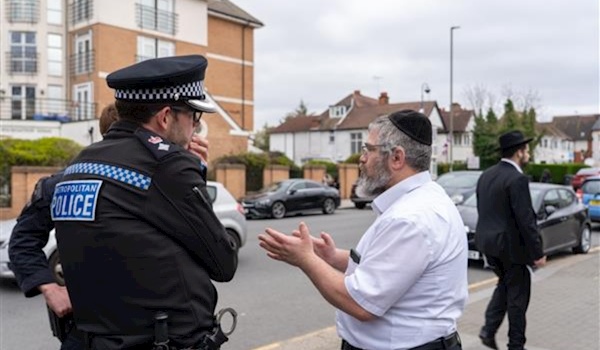
The unit is intended to provide a more consistent and intelligence-led approach to protective policing, moving away from reliance on short-term surges of officers deployed in response to specific incidents.
Initially focused on areas of highest risk, the team will combine locally based officers with specialist resources, with a focus on visibility, community engagement and targeted disruption of threats.
The move comes alongside a series of recent arrests linked to antisemitic hate crime across London. In the past four weeks, officers have made around 50 arrests for such offences, with a further 28 linked to arson and other serious incidents investigated alongside counter-terrorism teams.
The development reflects what senior officers describe as a more sustained and complex threat picture, with the Jewish community facing risks linked to a range of extremist ideologies as well as rising levels of harassment and abuse. The force said the new team is designed to provide a more stable long-term model of protection, although its initial rollout will be supported by short-term funding.
The government has announced £25 million in one-off funding for protective policing, including £18 million allocated to the MPS, which has already been used to fund additional patrols and overtime. The force is currently deploying around 1,000 additional officer shifts per week through temporary redeployment and overtime.
Commissioner Sir Mark Rowley, who had previously called for at least 300 additional officers in order to protect the capital’s Jewish community, said the new unit marked an “important step” but warned that sustained investment would be required.
“A settled, long-term model built around local teams will be far more effective than repeated emergency responses,” he said.
The model is also intended to act as a template for responding to spikes in hate crime affecting other communities.
However, questions remain over how far such resource-intensive approaches can be maintained in the longer term, particularly given the reliance on short-term funding and the wider pressures on neighbourhood policing.
The Mayor of London, Sadiq Khan, said the initiative would help reassure communities, but emphasised the need for a broader response to hate crime across the capital.
The MPS said it would continue to work with government and partners to secure a more sustainable funding settlement.
Home Secretary Shabana Mahmood said: “Last week’s abhorrent, antisemitic attack was a vile act of terrorism.
“My thoughts remain with the victims, and with the whole Jewish community at a time of deep disquiet and fear.
“The Government has announced a significant increase in investment to protect our Jewish communities, with record funding for policing and security at synagogues, schools and community centres. We will do everything in our power to rid society of the evil of antisemitism.”