

Businesses call for greater police visibility and tougher punishments to tackle ASB
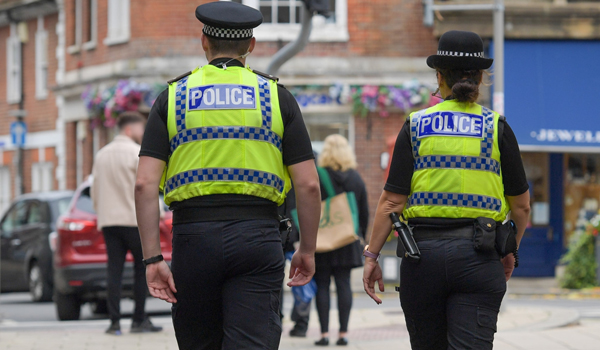
Businesses have issued a “clear call for increased police visibility” to tackle crime and anti-social behaviour (ASB).
More than half (55 per cent) of respondents to the latest survey by the National Business Crime Centre (NBCC) reported that ASB was affecting both their business directly and the wider location in which they operate.
The top three challenges faced by businesses were crime (72 per cent), threatening behaviour (66 per cent) and youth behaviour (64 per cent).
Begging (34 per cent) and drug use (32 per cent) ranked fourth and fifth, respectively.
When asked what they would like to see from police and government in response to these challenges, the most common request was for increased police presence, which was cited by around 80 per cent of respondents.
Some 55-60 per cent called for stronger punishments and sentencing, while around a third highlighted the need for more patrols (32-36 per cent) and greater funding and resources (28-33 per cent).
Improved partnership working and communication were also identified as key priorities by respondents, alongside calls for better engagement, clearer processes, and more consistent enforcement.
NBCC lead Lisa Maslen said: “This survey reinforces what we are consistently hearing from businesses across the country, that crime and ASB is having a significant and sustained impact on both trading environments and wider communities.
“There is a clear call for increased police visibility and a more consistent approach to enforcement, alongside stronger outcomes within the criminal justice system. However, it is equally clear that enforcement alone is not the solution.
“Businesses are asking for a more coordinated, partnership-led approach, bringing together policing, local authorities and support services to address the root causes of ASB, including youth engagement and addiction. A balanced response is essential if we are to deliver safer and more resilient town centres and the NBCC will continue to work with police and partners to strengthen the collective response to ASB.”
National Police Chiefs’ Council lead for ASB, Deputy Chief Constable Catherine Akehurst, said: “As a police service, we are committed to tackling ASB that harms individuals, communities and businesses. A key part of the Neighbourhood Policing Guarantee is addressing ASB. There is now a strategic ASB lead within every force in England and Wales and, as of 1 April this year, ASB action plans have been published to set out clear direction as to how forces are tackling ASB, in conjunction with partners, within their areas.
“Over the course of this Parliament, we have committed to increasing neighbourhood policing officer and staff numbers by 13,000, with more than 3,000 police officers and PCSOs already having been hired or redeployed into these teams since April last year.
“While there is still work to do, we have seen positive feedback from communities and businesses who are reporting better relationships with their local police forces.
“Through the impending Crime and Policing Bill, several measures are set to be introduced to help policing, local authorities and other partners further tackle ASB and the impact it has on businesses and communities.”
The NBCC 2026 ASB survey received 360 responses from retailers, Business Improvement Districts (BIDs), Business Crime Reduction Partnerships (BCRPs), security providers and other businesses, representing a wide range of sectors.
The survey explored the types of ASB being experienced, the impact on businesses, and what respondents believe should be done to address these challenges.
Read Next: