

Survivor of FGM urges criminal justice leaders to break down barriers to reporting
A survivor of female genital mutilation (FGM), has spoken directly to police, prosecutors and government officials about the urgent need to improve justice and support for victims of honour-based abuse (HBA).
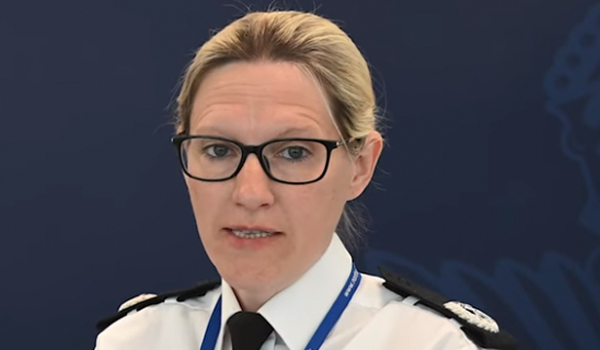
‘Cut’ at three months old in The Gambia, Huja (name changed to maintain privacy) told delegates at the national multi-agency ‘Honour’-Based Abuse conference – hosted by the Crown Prosecution Service (CPS), Home Office and the National Police Chiefs’ Council (NPCC) – how these forms of abuse can cause lifelong physical and psychological harm to women and girls.
For her community, FGM was common, she said.
She described how her aunt arranged the procedure out of love, and how she did not realise what had happened to her until her wedding night.
“Many survivors of FGM don’t even realise that they’ve been cut because it can happen when they are babies or very young children,” Huja says. “There were lots of symptoms I didn’t know were related to my FGM until I was an adult and was supported by an FGM clinic.”
Senior leaders including the Director of Public Prosecutions Stephen Parkinson, Safeguarding Minister Jess Phillips MP, NPCC lead Assistant Chief Constable Emma James and Solicitor General Ellie Reeves MP heard Huja describe the pressure on families to protect perpetrators, the celebration surrounding cutting ceremonies, and the stigma faced by women who are not subjected to FGM.
Huja described how “survivors often have to overcome multiple barriers to get to support and disclose the harm they have suffered.”
There are various reasons why FGM is carried out, including the belief that it will help maintain a girl or women’s chastity and ensure she is deemed ‘marriageable’.
We are clear that FGM is illegal in England and Wales and has no medical benefit, and yet victims often do not recognise what has happened to them as a crime, said the CPS. Cultural acceptance, fear of ostracism and lack of awareness of the law remain major barriers to reporting.
HBA sees victims suffering devastating crimes such as domestic or sexual abuse, forced marriage or FGM, often at the hands of their own families, extended families, or members of their community.
CPS data shows that a during the 12 months ending September 2025, charges were authorised against 114 suspects flagged under the HBA monitoring flag.
These crimes remain underreported to authorities, according to the CPS.
Huja called for unity among those working to tackle HBA. She said: “Communities and professionals need to work together to ensure that survivors reach support and education is the only way that we will achieve long lasting change. It is essential that we support charities such as Sundial Centre for Education on Harmful Practices to help schools and professionals with learning on sensitive issues and safeguard girls at risk.
Police, prosecutors and specialist services at the conference were urged to put learning into practice and recognise the complex pressures victims face to support them through all available options, not only criminal justice routes.
The NPCC’s national HBA lead Ms James said: “It takes tremendous courage for a victim of ‘honour’-based abuse to share their experience, and we are grateful to Huja and all victims and survivors for working with us to make change.
“I would encourage anyone who has been the victim of any kind of abuse to report it to us when they are ready. We are here to listen, help and protect you, and you will be met with empathy and understanding.”
Baljit Ubhey, Director of Policy at the CPS, said “Only by listening to victims of these horrific and multi-dimensional crimes can we respond effectively across the criminal justice system.
“Once again, we came together with partners to share learnings and take active steps towards seeing violence and abuse in the name of perceived ‘honour’ eradicated.
“Stories such as Huja’s are vital to seeing where there are obstacles we must overcome, and barriers we must break down to see more abusers of these crimes brought to justice.”
Minister for Safeguarding and Violence Against Women and Girls, Ms Phillips, said there was “no honour in HAB”.
“It destroys lives, and that’s why we are tackling it through our mission to halve violence against women and girls in a decade,” she said.
“This government is introducing a new legal definition to help ensure victims get the support they deserve and put perpetrators behind bars.
“My message to those who commit these crimes is simple: we will use the full power of the state to bring you to justice.”
The Solicitor General described HBA as one of the “most complex forms of violence against women and girls”.
Ms Reeves said: “Too many victims have been let down, and we must see more prosecutions so we can better protect women and girls from these traumatic crimes.
“This government is committed to tackling violence against women and girls and strengthening the criminal justice system’s response to these crimes. It is vitally important that partners across the system come together to ensure cases move through the system and improve victims’ confidence.”