

Record year of drug seizures made by Border Force and police
Seizures of ketamine, cannabis and nitrous oxide are at an all-time high following a record-breaking year of interceptions by Border Force and police.
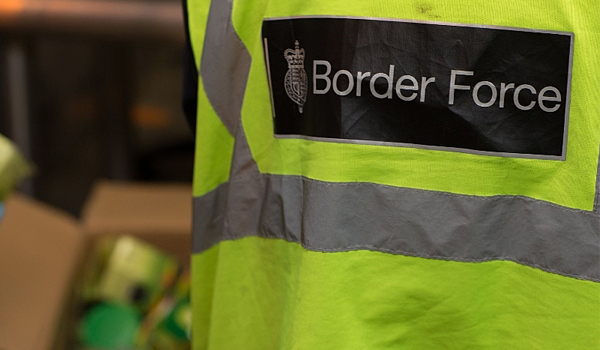
Cocaine interceptions by police are also at record levels with 23,706 seizures in the year to March 2025.
Almost 150 tonnes of illegal drugs – equivalent to two Boeing 737s – with a street value of £2.6 billion was seized by Border Force. This is a 40 per cent increase on the total quantity seized in the previous year and the highest since records began.
Border Force and police forces intercepted drugs on a record-breaking 269,000 occasions – an increase of 24 per cent on the previous year.
The seizures come as new data shows the success of an innovative pilot to immediately remove foreign cannabis smugglers from the UK.
Border Force’s ‘Seize and Return’ policy, introduced last year, allows officers to return cannabis traffickers to their country of origin, often within hours of arriving.
To date, 165 criminals responsible for smuggling more than four tonnes of cannabis into UK airports have been returned. The scheme has now been rolled out across England and Wales.
Border Force Director General Phil Douglas said: “Our innovative Seize and Return policy is delivering real results – removing smugglers within hours, saving taxpayers millions, and freeing up our officers to pursue the organised crime gangs that cause the most harm.
“Border Force will continue to be relentless in our pursuit of dangerous criminal networks and disruption of drug supply.”
Cannabis was present in 93 per cent of all drugs seized by Border Force in the year ending March 2025, with more than 62,000 illegal imports intercepted.
A record four million doses of nitrous oxide was seized by Border Force and police, representing a 2,185 per cent increase from last year.
The same year also saw a surge in criminals attempting to smuggle ketamine into Britain. The total quantity seized by Border Force and police increased by 55 per cent from the previous year to 1.3 tonnes.
Home Office Minister Mike Tapp said drug seizures were at a record high, with British law enforcement “depriving evil gangs of almost £3 billion worth in one year alone”.
“Every seizure strikes a blow at the heart of organised crime and stops dangerous drugs from inflicting misery on our communities,” he said.
“We will continue to do whatever it takes to secure Britain’s borders against those doing harm to our country.”
Working in partnership, police forces, Border Force, the National Crime Agency and international partners use intelligence and technology to keep the UK’s borders safe, prevent drug trafficking and bring those responsible to justice.
Border Force has also intensified efforts to tackle drug smuggling at sea as organised crime groups attempt to use maritime routes and a range of methodologies, including ‘at-sea-drop-offs’ to smuggle drugs into the country.
In January last year, 1.5 tonnes of cocaine with a street value of just under £60 million was detected on a vessel arriving into Dover from Peru.
Officers use a range of methods including hi-tech search equipment to detect and stop illegal and restricted goods that criminals attempt to bring into the country. Border Force also employs specialist officers trained to conduct deep searches of ships and vessels.
Organised crime gangs are also increasingly using expensive equipment to conceal drugs in the hope that law enforcement will be deterred by the potential costs involved with destroying it. In September last year, Border Force outsmarted criminals who hid one tonne of cocaine in two industrial generators valued at £720,000.