

Huge rise in recorded crime figures is in accounting practice
A temporary chief constable claims that nearly all of a 16 per cent increase in her forces crime figures can be put down to a change in recording practice, rather than them actually being committed.
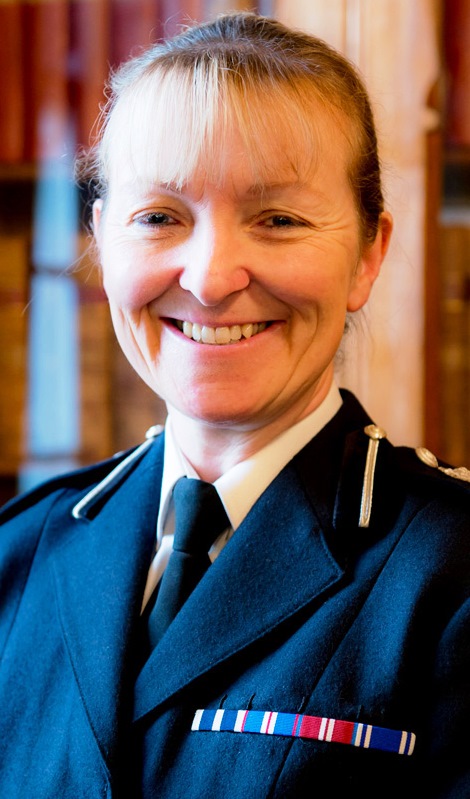
A temporary chief constable claims that nearly all of a 16 per cent increase in her forces crime figures can be put down to a change in recording practice, rather than them actually being committed.
And West Yorkshire Police temporary Chief Constable Dee Collins says she was not unduly surprised by a rise in the under-scrutiny forces figures from the beginning of this year.
Ms Collins believes that only one per cent of the January to April 2015 statistics is a real rise. Yorkshires biggest force that only six months ago saw their figures fall, while more than half the country recorded an increase.
West Yorkshire Police was sharply criticised last year by Her Majestys Inspectorate of Constabulary (HMIC) for recording robbery and violence offences wrongly and inappropriately labelling some rape offences as no-crimes.
After the damning HMIC report, the force is battling back with Ms Collins overseeing a cultural change and carrying out educating and awareness raising among its officers, staff and partners on how they should best deal with offences when they are recorded.
Ms Collins told the Yorkshire Post: What matters, I think, most, is how do we explain that to the public, in that it is about recording practice, rather than a genuine increase in crime.
From January to April we have seen a roundabout 16.5 per cent increase, on the same period last year, around 15 per cent of that we are pretty confident is down to recording practice. So there is a one per cent increase in crime.
When we have dug into that, you may not be surprised that is around an increase in reporting of violent/sexual offences or crimes, because we have had a lot of publicity, we have worked very hard to encourage members of the public to come and report things to us.
She said in the past, the normal rule of thumb was not to submit a crime report for 72 hours. What would happen now is that we would record it as a crime, do an investigation, and if it isnt a crime we put a report in saying it is not, she said.
It feels very bureaucratic, and officers are understandably finding it quite difficult if you end up with the same result, but at least that way we have a very accurate record of that process, whereas before it wasnt so transparent.
She said part of the issue was officers not understanding when they should categorise something as a crime, or not providing a detailed enough explanation when changing the code given to an offence.
West Yorkshire Police saw recorded crimes rise by 16.5 per cent between January and April 2015 compared with the same period last year, and according to a report by the county`s police and crime commissioner (PCC) Mark Burns-Williamson from earlier this month, there was a 12.3 per cent rise in total crime and a 26 per cent rise in domestic burglary between January and March compared with the same period in 2014.
Yet in the year to December 2014, recorded crime was down by one per cent, despite 27 other police force areas seeing an increase in total crime over the same period.
Mr Burns-Williamson said that while six months ago the force had hit a record 31-year `low` in crime, yet the recorded figures were up ten per cent in the period April to June this year. He admitted that HMIC was looking at a “lack of consistency”.
The PCC said the new rise was largely due to changes in recording practices with Government funding cuts bound to have a considerable impact on the organisation.
He admitted that he doesn`t know “what the future holds” for a county`s biggest force after seesawing from a 31-year crime low to recording a 16 per cent rise in the first four months of 2015.
West Yorkshire Police faces being at the “top end” of Chancellor George Osborne`s forecasted swingeing cuts as the force is still recovering from losing 2,000 neighbourhood police officers and PCSOs, he said.
The PCC has been left presiding over the financial control of a force that has had to endure savage Government budget reversals with £163.5m taken out of polic