

Chief constable sacking not irrational, claims PCC
South Yorkshires police and crime commissioner (PCC) has denied it was irrational to sack former chief constable David Crompton for his controversial comments on the Hillsborough disaster.
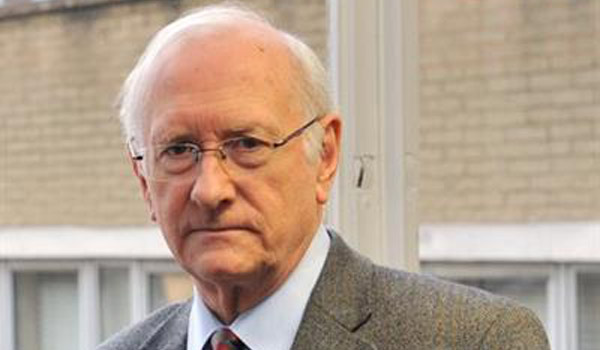
South Yorkshires police and crime commissioner (PCC) has denied it was irrational to sack former chief constable David Crompton for his controversial comments on the Hillsborough disaster. Dr Alan Billings urged Mr Crompton to resign or retire last September, five months after he was suspended for allegedly eroding trust and confidence in South Yorkshire Police. Mr Crompton who was already set to retire launched a judicial review against the decision as he believed his dismissal was fundamentally wrong. This view was backed by Her Majestys Chief Inspector of Constabulary Sir Thomas Winsor, who criticised Dr Billings decision as unfair, disproportionate and unreasonable. However, in documents submitted to the High Court Dr Billings defended his actions, claiming they were perfectly lawful. The documents said: The final decision was not irrational it was for the commissioner to assess whether trust and confidence in the claimant as chief constable had been damaged, taking into account his knowledge of the local context. In forming that judgment, the commissioner is entitled to a wide margin of discretion. It is not for the court to interfere simply because it would have made a different decision had it been the primary decision maker. Rationality imposes a high threshold: there may well be more than one rational response to a particular set of circumstances. The decision to dismiss Mr Crompton was based on a statement given on April 28, 2016, that appeared to backpedal on a previous apology for South Yorkshire Polices handling of the investigation into the Hillsborough disaster. Mr Crompton said the forces failings had to be put into the context of other contributory factors, which many interpreted as an attempt to lay blame on fans. South Yorkshire Police and Crime Panel described the comment as a catastrophic error of judgment and said the chief constable would have caused continuing damage had he remained in post. As part of the dismissal process, Dr Billings was required to take the views of Sir Thomas, who opposed the decision. However, the PCC rejected his advice, claiming Sir Thomas was too dismissive of local opinion.