

APCC ‘disappointed’ at failure to reclassify ketamine as Class A drug
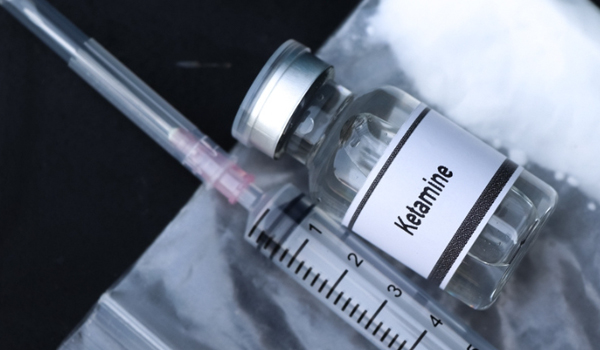
The Association of Police and Crime Commissioners (APCC) has expressed “disappointment” at the Advisory Council on the Misuse of Drugs’ (ACMD) recent recommendation that ketamine should remain a Class B drug.
The APCC’s Addictions and Substance Misuse joint lead David Sidwick said the decision “fails to reflect the clear and escalating harm ketamine is causing in our communities”.
The ACMD has advised the Government ketamine should remain a Class B controlled substance, but that police forces and healthcare professionals must receive greater support to better identify, prevent and respond to ketamine‑related harms.
In reaching its decision, the ACMD noted that the acute harms of ketamine – such as toxicity and deaths – align with its current Class B status.
The ACMD also expressed concern about the growing use of high‑dose ketamine – described in some cases as “chronic” – and the long‑term harms associated with it.
However, as these harms were established in the 2013 ketamine assessment, it was instead focused on identifying new and emerging risks.
The ACMD report highlighted that many acute harms experienced by ketamine users were likely to be significantly influenced by using other drugs at the same time, and that reclassifying ketamine in isolation would unlikely reduce prevalence or misuse.
Individuals with personal experience of ketamine use and harms who contributed to the review said they did not believe upgrading ketamine to Class A would reduce its use. Health and social care professionals similarly, largely, voiced opposition to reclassification.
After examining the latest evidence, engaging with people with lived or living experience with the substance, consulting stakeholders, and reviewing academic research, the ACMD concluded ketamine should not be reclassified and should remain in Class B.
Ultimately, the ACMD concluded that a public health‑centred approach is essential for reducing ketamine-related harms. This approach requires coordinated action across public bodies, health services, and community organisations.
The ACMD chair Professor David Wood said: “The ACMD report highlights the need for a ‘whole system approach’ through its recommendations to tackle issues related to ketamine use, as no single recommendation is sufficient to do this alone.”
However, Mr Sidwick, the police and crime commissioner for Dorset, said: “This decision fails to reflect the clear and escalating harm ketamine is causing in our communities, particularly among young people, and it risks perpetuating the dangerous misconception that this is a low-risk substance.
“Increasing the classification to Class A matters – it influences public understanding and supports higher prioritisation for enforcement attention and funding for treatment and prevention of harms. By not making this vital change, we are missing a critical opportunity to send a strong, unambiguous message that ketamine misuse is a serious threat and must be treated as such.”
He said use of ketamine among 16 to 24-year-olds has “exploded” by 231 per cent since 2013 and 244 death certificates have cited ketamine as a cause since it was reclassified as a Class B drug in 2014.
“Clearly, the current approach targeting ketamine use is not reducing demand,” said Mr Sidwick. “Increasing the classification to A would clearly reflect the danger of this drug, reinforce deterrence messages, while strengthening the support offer for chronic users.
“Across the country we are seeing devastating consequences of ketamine misuse on families and communities, as well as the growing burden it places on policing and health services. It is a cheap drug that is easily accessible, with police reporting usage among children as young as 12. The fact the NHS has had to set up specialist ketamine clinics across the country demonstrates its alarming growth and impact.”
He said the APCC was urging the Government to “act in the best interests of the public and overrule this recommendation, as previously happened with nitrous oxide in 2023”.
“The ACMD’s recommendation on ketamine was not unanimous and therefore must be scrutinised further,” Mr Sidwick said.
“We are concerned that if the trend continues, hospital admissions, life-changing harms, and deaths could increase, alongside the overall costs to society. If the Government does not decide to reclassify, we urge ministers to prioritise funding and interventions to prevent young people from turning to ketamine in the first place.”