

AI cameras identify almost 19,000 potential driving offences
An artificial intelligence camera trial in the West Midlands has identified almost 19,000 potential seatbelt and mobile phone offences in two weeks, prompting calls for the technology to be considered for future police enforcement.
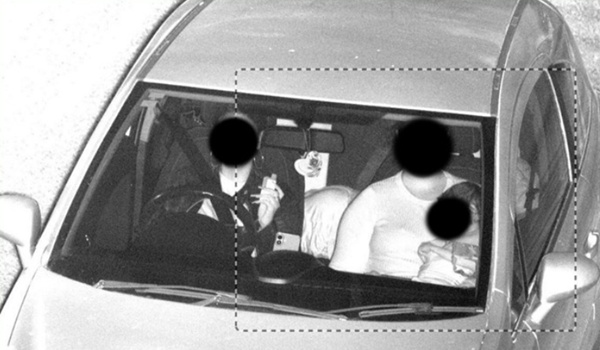
The trial, funded by the West Midlands Combined Authority (WMCA) in collaboration with police and fire services, used cameras at two sites in Birmingham and Wolverhampton in March.
Initial scans identified 17,225 potential seatbelt offences and 1,920 potential mobile phone offences.
At Ladywood fire station in Birmingham, the cameras flagged 11,144 potential seatbelt offences and 1,163 instances of possible mobile phone use. At Fallings Park fire station in Wolverhampton, they identified 6,081 potential seatbelt offences and 757 potential mobile phone offences.
The technology, developed and supplied by AECOM/Acusensus, uses artificial intelligence to analyse images captured through vehicle windscreens. Human operators checked the accuracy of the system using a sample of 8,024 images. The trial did not result in enforcement action, as its initial purpose was to assess the scale of the problem.
West Midlands Police and Crime Commissioner Simon Foster, who chairs the region’s road safety partnership board, said the findings were concerning and that the partnership was evaluating how the technology could be deployed for future police enforcement. He said reducing deaths and serious injuries on the roads remained a priority.
West Midlands Mayor Richard Parker said the volume of potential violations was higher than expected. Images included drivers using mobile phones while behind the wheel and children travelling without appropriate restraints.
According to figures cited by the WMCA, mobile phone use was linked to 32 deaths on UK roads in 2025, while failure to wear seatbelts was linked to 133 deaths.
Around 2,000 motorists in the West Midlands are fined and receive penalty points each year for using a mobile phone while driving.
The findings come as the Government’s National Road Safety Strategy identifies reducing seatbelt and mobile phone offences as key objectives.
West Midlands Police said enforcement and education around these behaviours were important elements of efforts to prevent fatal and serious road collisions.