

CoP backs licence to practise recommendation in leadership report
The police leadership commission’s report has recommended a licence to practise for police officers, to be held on a national database by the new National Police Service, with the College of Policing backing the proposal in its response to publication.
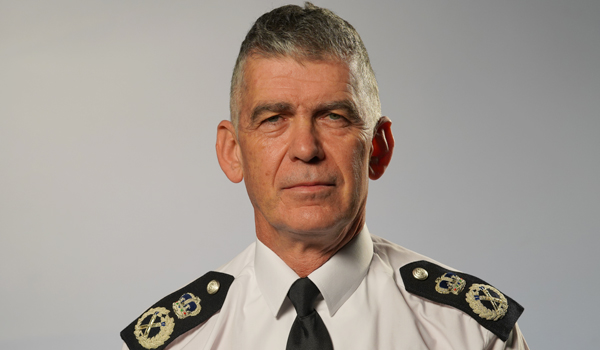
Sir Andy Marsh, the College’s chief executive, described the report as the most comprehensive examination of police leadership in a generation.
He said: “Policing is one of the most dangerous jobs you can do, and officers put themselves in harm’s way every day managing life and death situations. We support officers who follow our guidance and training and later come under scrutiny.
“A licence to practise provides officers with an even stronger defence if they follow the robust standards set for them. The College of Policing already issues licences in the area of firearms where officers receive world-class training and have been rightly praised for preventing the loss of life, most notably during terror attacks.
“The inclusion of a licence to practise gives reassurance to the public and the service that they can be confident officers are highly trained and fit to serve.”
The proposal is not new. A licence to practise was most recently floated in the government’s white paper on police reform, published earlier this year. The Police Federation of England and Wales raised concerns about the practicalities of implementation, arguing that professional standards of this kind require sustained investment in training, time and support — and that training was, at the time, routinely cancelled to cover shortfalls elsewhere in policing. PFEW has not yet issued a fresh response to the commission’s report.
The commission’s own findings lend some weight to that concern. More than a fifth of new sergeants and inspectors surveyed had received no formal leadership training more than two years into their roles, with abstraction from the job cited as the main reason training is deprioritised.
Sir Andy added: “I vehemently agree with the commission that seeing leadership development as an abstraction rather than an investment is holding policing back. Developing leaders improves how we police, avoids mistakes and saves money long term.
“The work now begins to replace the current postcode lottery of training and development so that the best talent from any background can rise to the top of the service on merit.”
The commission also raised concerns about how leadership development is funded and resourced. Central spending on leadership development amounts to roughly 0.02 per cent of total police funding, around £4 million a year, and the report draws a comparison with the army: an army colonel leading a similar-sized team to a chief superintendent will typically have had many times more formal leadership training over an equivalent career.
The report also notes that chief constable vacancies now attract fewer than three applicants on average, with many roles filled internally.
The Home Office said it would consider the commission’s recommendations and publish a government response this autumn.
Policing minister Sarah Jones said she was aware of significant challenges facing leaders, as well as “too many examples where leadership has failed to meet the standards that officers and the public rightly expect”.
She added: “Every officer deserves access to high-quality training, development and leadership throughout their career and we know this is not being delivered consistently.”