

MPS plans static LFR rollout in the West End
The Metropolitan Police Service is to extend its use of Live Facial Recognition technology across London’s West End and Soho by the end of the year, following a successful six-month pilot in Croydon and a court ruling upholding the lawfulness of its deployment policy.
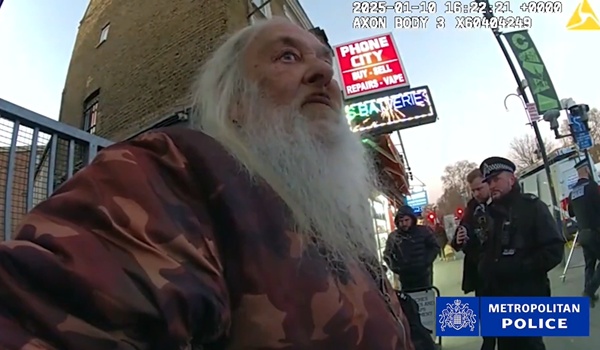
Commissioner Sir Mark Rowley will announce the expansion in a speech to the Police Foundation on Wednesday, describing facial recognition as “one of the most revolutionary technology advances in policing in recent years.” The rollout will see static cameras mounted to existing street furniture — lampposts and similar infrastructure — rather than deployed from the dedicated vans used in conventional LFR operations, freeing those vehicles for use elsewhere.
The Croydon pilot, which ran between October 2025 and March 2026, resulted in 173 arrests across 24 separate operations. More than 470,000 people passed the cameras during that period. There was one false alert, which did not result in an arrest. Sixty-one per cent of offences linked to arrests had been committed in Croydon itself, suggesting the static deployment model was effective at targeting local crime hotspots rather than simply displacing offenders.
The Met has made more than 2,000 LFR arrests since the start of 2024.
The expansion follows an April judicial review in which the High Court ruled that the Met’s LFR policy complies with human rights law, finding it contained “clear, precise and effective safeguards.” The ruling removed a significant legal obstacle to wider deployment.
Among those arrested during the Croydon pilot was Colin Barker, 38, a registered sex offender flagged by the static cameras in February 2026. Officers checking his compliance with a Sexual Harm Prevention Order found he had been communicating with a child under 16 and was in possession of indecent images.
He was sentenced in May to two years’ imprisonment. In a separate case, David Cheneler, 73, also a registered sex offender, was stopped in Denmark Hill after being flagged by an LFR van and found with a six-year-old girl in breach of his Sexual Harm Prevention Order. He received a two-year sentence.
The West End rollout will be developed in partnership with Westminster City Council and the New West End Company, which has committed £23 million to enhanced security measures across its business district over the next five years. The council said it would incorporate LFR into its new CCTV network as part of a broader commitment to AI-assisted public safety.
The Met said camera watchlists will remain intelligence-led, created no more than 24 hours before each deployment and deleted immediately afterwards. The cameras will only be active when officers are present on the ground.