The system that lets drug drivers slip through
Laboratory delays, stretched roads policing and dangerously low public awareness are allowing a worsening threat to outpace the response. The Road Safety Strategy offers a chance to close the gap — if government moves quickly enough.

Drug driving is now a bigger killer on our roads than alcohol – and it is rising fast. In the decade to 2023, the number of drivers who tested positive for drugs after fatal collisions increased by 78%, overtaking alcohol for the first time. This is not a marginal shift – it is a clear signal that our system is falling behind a rapidly growing threat.
For years, sustained enforcement and public education made drink driving socially unacceptable. We have not achieved the same progress with drugs. Awareness remains low, enforcement is stretched, and the justice system is too slow to act. The result is a preventable and worsening risk to public safety.
If we are serious about reversing this trend, three urgent actions are needed: protect roads policing capacity, fix delays in the justice system, and accelerate public awareness.
Keep officers on the road
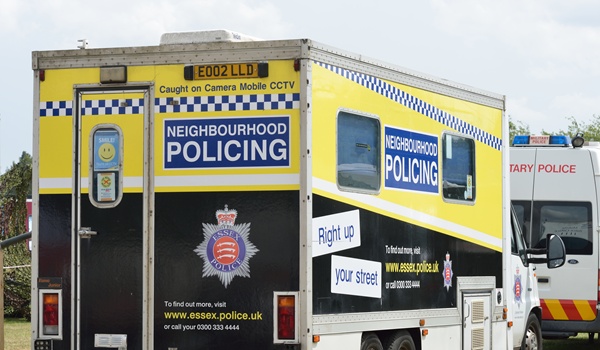
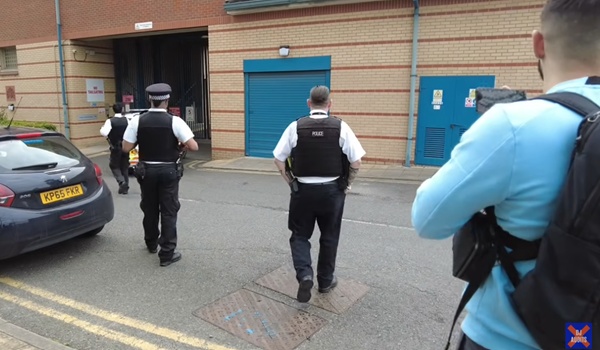
Road policing is one of our most effective life‑saving tools — yet officer numbers have fallen by more than 1,000 over the past decade. At a time when drug driving is rising, this is a critical vulnerability.
Unlike other offences, drug impairment cannot be detected remotely. It depends on skilled officers stopping vehicles, identifying impairment, and conducting tests in real time. Without visible, proactive policing, enforcement simply does not happen.
Every 16 minutes, someone is killed or seriously injured on UK roads. Reducing that toll requires sustained investment in the officers who make enforcement possible.
Fix a system that lets offenders slip through
The current justice process is too slow and too fragile. Delays in obtaining laboratory blood results mean that some cases exceed the six‑month charging limit – allowing offenders to escape prosecution entirely.
This is not a technical problem; it is a public safety failure. Repeat offending is rising sharply – up 134% in four years – and 44% of drug driving cases now involve repeat offenders. Dangerous drivers are staying on the road for longer because the system cannot act quickly enough.
Allowing evidential roadside saliva testing would be a decisive step forward. It would remove delay, close legal loopholes, and ensure offenders are dealt with swiftly. The Government is consulting on alternatives – but this must now move at pace.
Seize the Road Safety Strategy moment
The Government’s new Road Safety Strategy creates a rare and immediate opportunity to reset the national response to drug driving. Done well, it can move this issue from a growing risk to a controllable one.
Proposals under consideration – including mandatory rehabilitation, improved enforcement powers, and potential licence suspension at the roadside – signal intent, but they must now translate into decisive policy and swift implementation. This is the moment to align enforcement, legislation and public health messaging behind a single, coherent approach.
If the Strategy is ambitious, properly funded, and delivered at pace, it can close the gap between rising harm and system response. If it is not, the underlying trend will continue unchecked.
Close the awareness gap
Public understanding of drug driving risks remains dangerously low. Many drivers still do not recognise that illegal substances – and even some prescription medications – can seriously impair their ability to drive.
We know change is possible. Decades of consistent education transformed attitudes to drink driving. The same sustained effort is now needed on drug driving – combining national campaigns, clearer messaging and targeted interventions.
Partnerships will be essential to making that happen. Government, police, public health bodies, charities, employers and researchers each have a role to play, and progress will only come through coordinated action that combines evidence, enforcement and public engagement.
At The Road Safety Trust, through our 2026 large grant programme, we are investing £750,000 in research and initiatives to strengthen the evidence base, improve enforcement, and support prevention. But research alone is not enough – it must translate into action.
A moment that demands decisions
The evidence is clear. Drug driving is rising, repeat offending is increasing, and current systems are not keeping pace.
Government must now act decisively: protect roads policing in the next spending round, legislate for faster and more reliable testing, and use the Road Safety Strategy to drive a step change in enforcement and public behaviour.
Without that action, this trend will continue – and more lives will be lost unnecessarily.
Ruth Purdie OBE is CEO at The Road Safety Trust