

College of Policing launches consultation to strengthen national stop and search standards
The College of Policing has launched a national public consultation on updated stop and search standards, reinforcing the importance of this policing power and setting out clearer national expectations for its use.
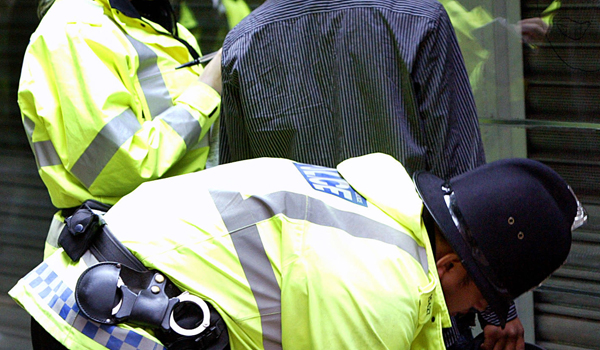
The college says stop and search plays a “crucial role” in preventing serious harm, protecting communities and taking dangerous weapons off the streets.
“When used appropriately, proportionately and with professionalism, it is an effective and legitimate tool which helps officers keep the public safe,” it added.
“But when stop and search is used inappropriately, not clearly justified, or delivered without professionalism, it can undermine trust between the police and the communities they serve.”
Official data shows that black people, children and young people, and those from lower socio-economic backgrounds are consistently stopped and searched at disproportionately higher rates than others. These disparities make it essential that stop and search is consistently fair, necessary and respectful, says the college.
The consultation marks the first significant update to the Authorised Professional Practice (APP) in a decade. It reflects the college’s commitment to supporting officers with clear, practical guidance that strengthens public confidence and promotes “consistent, high-quality practice” across England and Wales.
This updated APP responds directly to a number of significant investigations and reports that have identified where policing must do better. These include:
- The Independent Office for Police Conduct investigation into the strip search of Child Q in 2022;
- The investigation into the Criminal Justice Alliance super complaint on Section 60 of the Criminal Justice and Public Order Act 1994 and community scrutiny of stop and search in 2023; and
- His Majesty’s Inspectorate of Constabulary and Fire and Rescue Services (HMICFRS) spotlight report on the disproportionate use of police powers in 2021.
The updated APP strengthens safeguarding requirements and places greater emphasis on the quality of the encounter itself, not just whether a search takes place, but how it is conducted, providing clearer, more practical standards for officers at every level.
Key changes proposed include:
- A stronger child centred approach with enhanced safeguarding expectations;
- Clearer standards on communication, dignity and de-escalation, recognising the importance of professional interaction;
- Reinforced expectations that force must be necessary and proportionate, and that handcuffs must never be used routinely, with clear justification required;
- Greater emphasis on recognising vulnerability and using stop and search as an opportunity to connect individuals with appropriate support; and
- Improved use of data and strengthened community oversight to support consistency, transparency and learning across forces.
The updated APP is designed to support officers to use stop and search confidently and consistently, while continuing to improve fairness, legitimacy, and public trust.
It has been simplified and structured by rank and role, with practical examples to support officers, particularly those newer to stop and search, in making confident decisions. It has been developed in collaboration with the National Police Chiefs’ Council (NPCC) and informed by effective practice identified through inspection.
Chief Superintendent Andy Sidebotham, Head of Uniformed Policing at the College of Policing, said: “Stop and search is a vital policing power that helps officers prevent serious harm and protect the public every day. The vast majority of officers use it professionally, lawfully and with good judgment.
“This updated guidance is about backing officers by giving them clearer national standards, stronger professional confidence and practical support, while continuing to strengthen fairness and public trust.
“We want to hear from officers who use stop and search, those who oversee it, and from communities and individuals with lived experience. This consultation is an important opportunity to help shape strong, legitimate, and effective national standards for the future.”
The consultation will be open until July 6, 2026 and invites views from police officers and staff, partner agencies, community organisations, and members of the public, particularly those with personal experience of stop and search.
Following the consultation, the College of Policing expects to publish the revised APP in early 2027.
Visit https://www.college.police.uk/article/stop-and-search-have-your-say