

PCC launches campaign on the dangers of non‑fatal strangulation
Avon and Somerset police and crime commissioner Clare Moody has launched a campaign to raise awareness of the health and legal risks of non‑fatal strangulation (NFS).
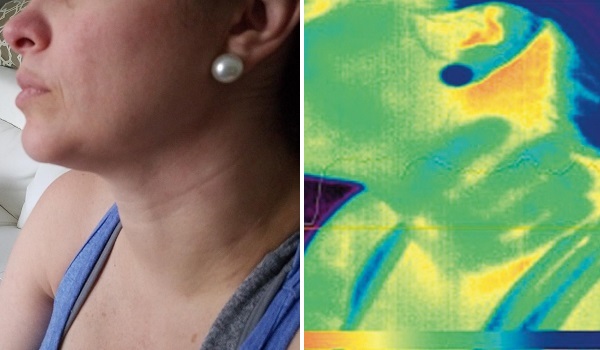
Funded by the Ministry of Justice, the campaign aims to challenge myths, share clear clinical information, and help prevent harm before it happens.
Clare Moody said: “Support services and the police are seeing more and more cases of non-fatal strangulation. Too many people have been led to believe this is low-risk behaviour, when the reality is it can cause serious and sometimes life-changing harm. We need people to understand the risks and to know that choking or strangulation is not safe.
“This campaign is about recognising that people are being harmed because they have been misled into thinking strangulation is low risk but there is no safe way to restrict someone’s air or blood flow.”
Strangulation can cause:
- Stroke
- Brain injury
- Loss of consciousness
- Long‑term cognitive impacts
These harms can occur even when there are no visible signs of injury. Evidence shows women under 40 who have been strangled face a significantly increased risk of stroke. A recent study comparing MRI scans of women who had recently been strangled with those who had never been strangled found that repeated strangulation may alter how the brain functions and how different regions communicate – including areas responsible for movement, awareness, and emotional processing.
Around half of victims do not display external injuries. Medical experts warn that a person can appear well immediately after being strangled but still develop life‑threatening complications hours or even days later. Anyone who has been strangled should seek medical advice.
Specialist services across the UK report increasing numbers of survivors disclosing strangulation – both within abusive relationships and during consensual sexual encounters.
- The Institute for Addressing Strangulation reports that 35% of 16–34‑year‑olds have been strangled or choked at least once during consensual sex (Strangulation During Sex in the UK – December 2024).
- Refuge reports a 9% rise in young survivors experiencing strangulation or suffocation in the past year.
- Locally, The Bridge Sexual Assault Referral Centre is seeing significant levels of NFS among people reporting rape or sexual assault.
Non‑fatal strangulation became a stand‑alone criminal offence in 2022 because of the severity and prevalence of the harm. There were 23,817 police reports in England and Wales in the first year of the offence.
Key legal points:
- You cannot consent to serious harm.
- Consent is not a defence where serious harm is caused.
- Perpetrators can face up to five years in prison.
The Government has also announced plans to legislate to make pornography depicting strangulation illegal, recognising the role of online media in normalising strangulation as expected sexual behaviour despite overwhelming evidence that there is no safe way to strangle.
The campaign will particularly target young adults online, where misinformation and sexualised content can contribute to the normalisation of strangulation as a “low‑risk” behaviour. It will first roll out across Avon and Somerset, with plans for adoption across the wider South West.
Ms Moody concluded: “People deserve to feel safe in their relationships. Preventing this harm has to start with honest conversations about the risks.”