

Domestic abusers released from prison to be tagged under pilot scheme to protect victims
Under a pilot scheme launching in the East and West Midlands any offender who poses a threat to a former partner or their children will now be forced to wear an electronic tag to protect victims from further trauma.
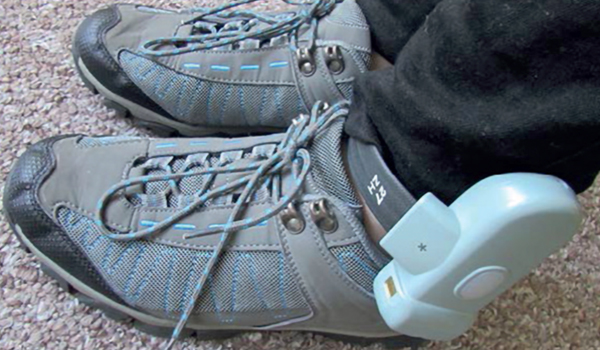
Offenders will also be banned from going within a certain distance of a victim’s home, with the tags monitoring their whereabouts or making them abide by a strict curfew.
Up to 500 prison leavers will be made to wear a GPS or curfew tag as part of the initial pilot, which is expected to be rolled out across England and Wales next year.
Offenders who breach their licence conditions, such as entering an exclusion zone or breaching a curfew, face being returned to prison said the Ministry of Justice (MoJ), which announced the new scheme on Friday (September 1).
Lord Chancellor and Justice Secretary Alex Chalk said: “Survivors of domestic abuse show great strength and bravery in coming forward, and it is right that every tool is used to protect them from further harm.
“The tagging of prison leavers at risk of committing further domestic abuse is a further protection we are introducing to help victims rebuild their lives and feel safe in their communities.”
The Government has also confirmed that more than 2,700 victims have been protected from further harassment from their imprisoned abusers under a Prison Service scheme launched last summer.
The Unwanted Prisoner Contact Service ensures offenders are unable to dial a victim’s number from prison phones or send out threatening letters to their address. Its relaunch last year through a simple online form and greater publicity has spared thousands from threats and abuse.
More than 3,000 reports have been made to the service since its relaunch in June 2022 – representing a 4,779 per cent increase compared with the previous offline scheme. Of the 2,700 unique users who have filed reports, 93 per cent are female, with many being victims of domestic violence, said the MoJ.
The service has also been used to disrupt criminal activity, such as the use and possession of illicit mobile phones by prisoners from behind bars.
A recent case saw a prisoner’s sentence extended by 30 months as a result of intelligence submitted via the online portal.
Crucially, the scheme allows domestic violence charities and other support services to file reports on behalf of the victims, saving them from having to think about their abuser, the MoJ said.
The Domestic Abuse Commissioner for England and Wales, Nicole Jacobs, said: “I welcome announcements from government today to tackle perpetrators of domestic abuse. The domestic abuse electronic tags pilot is a positive step forwards in protecting victims.
“By blocking perpetrators from contacting victims, the Unwanted Prisoner Contact scheme sets an important standard that the criminal justice system will not be used to further domestic abuse, making a difference for survivor’s safety, recovery, and freedom from abuse.
“For too long, the onus has been on victims of domestic abuse to protect themselves from harm. I will continue to work with government.
Valerie Wise, national domestic abuse lead at the charity Victim Support, added: “Unwanted contact from offenders is frightening and stressful – it is often used to intimidate survivors and continue campaigns of abuse.
“Early indications that survivors are making use of this service is positive news. We hope it will continue to make it easier and quicker to stop this behaviour, so that survivors can move on and rebuild their lives.”
Louise, a survivor of domestic violence, said the thought of her abuser trying to make contact – either from behind bars or once released – was one that left her “feeling anxious and powerless”.
“These measures provide reassurance that we as survivors are being better protected from these efforts to intimidate and terrorise us,” she said.
The introduction of the domestic abuse tagging pilot is part of the Government’s wider monitoring programme, which was extended in 2021 to include two world-first projects – tagging thieves, burglars and robbers using location data to pin them to the scenes of further crimes and imposing alcohol monitoring tags on offenders post-custody.